Record where blinding or pegging occurs, whether the material is wet or sticky, particle shape and near-size fraction, feed distribution, deck angle, vibration condition, tension and support.
Photographs taken during operation and after shutdown help distinguish material adhesion, near-size pegging, damaged apertures and installation problems.
A self-cleaning or flexible medium may be considered only after the cause and machine interface are reviewed.
Frequently asked questions
How can an operator begin distinguishing blinding from pegging?
Record where material accumulates and whether openings are coated at the surface or occupied by particles lodged in the apertures. Treat these observations as diagnostic clues and confirm them against feed, opening geometry and deck condition.
What should be recorded before changing screening media?
Note when the problem starts, affected deck zones, feed moisture or slurry condition, fines or clay observations, feed distribution, aperture and media condition, cleaning method and any recent process changes.
Should panels be changed as the first response?
First check process and feed changes, distribution, aperture condition, tension or support and cleaning practice. A media change may be considered after the cause and the required separation objective have been reviewed.
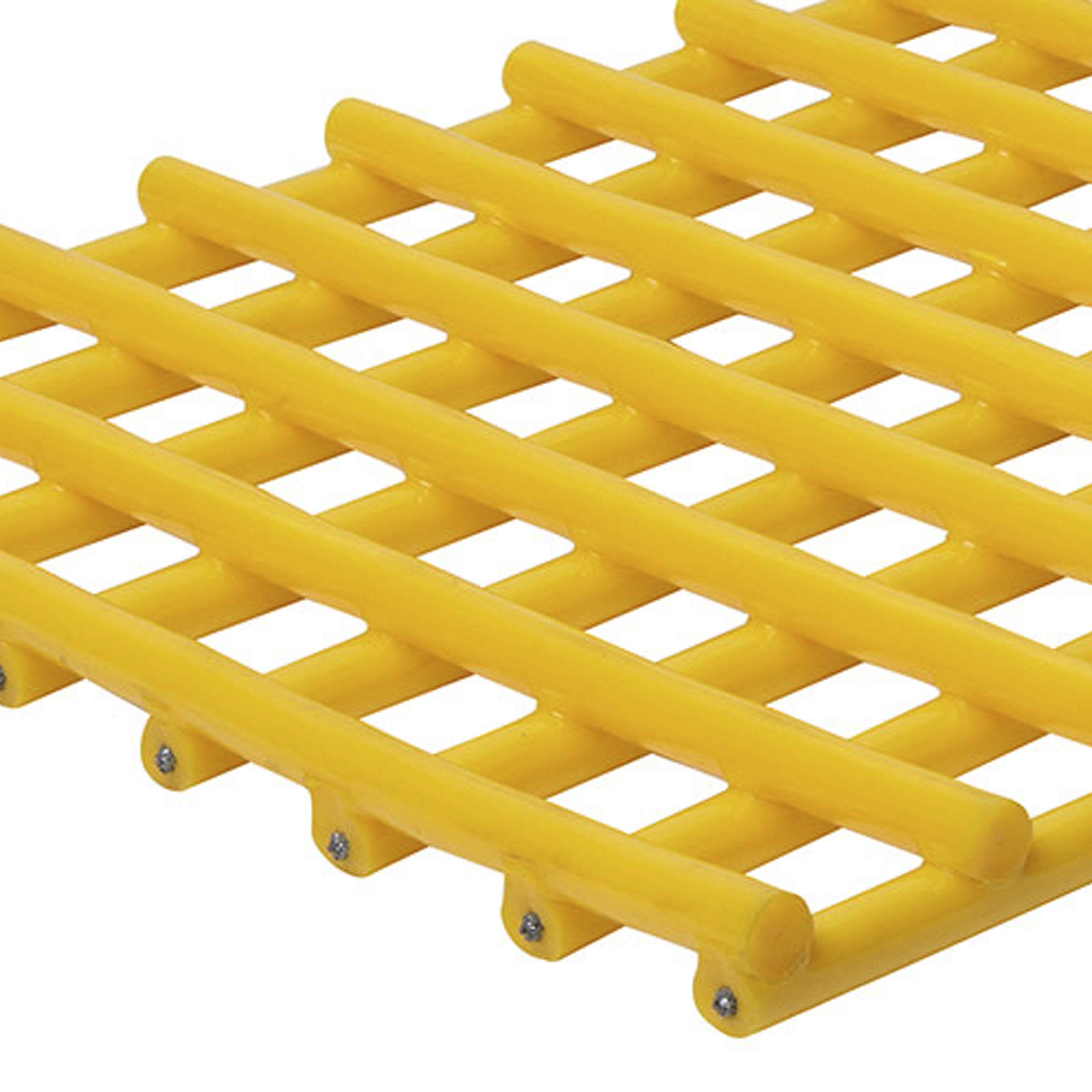 Tufflex polyurethane-coated wire-rope screens
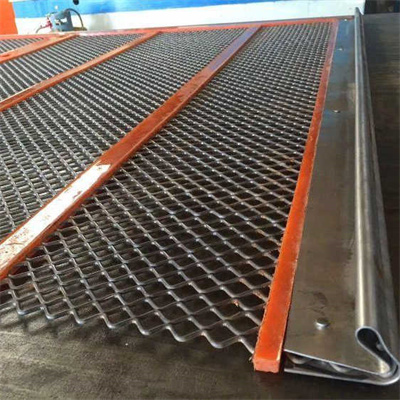 Poly ripple screens
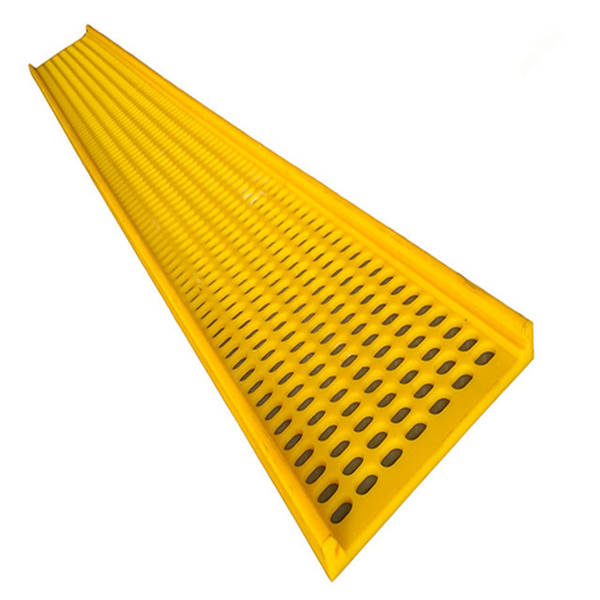 Polyurethane flip-flow screen mats